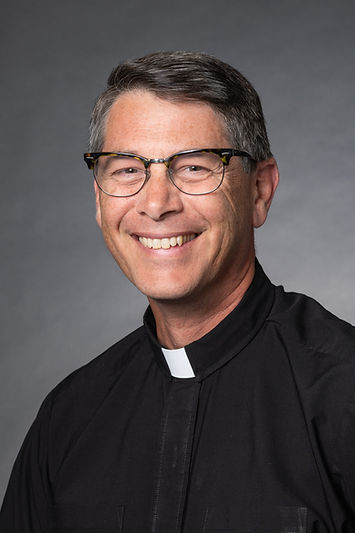
OUR PASTOR
Pastor Keith Weatherford
As we journey through the Easter season, we are called to dwell with the resurrection—not simply as a memory of a joyful day, but as a living promise that continues to unfold among us. Easter is not only a celebration; it is a way of life into which we are invited. The risen Christ meets us where we are, shapes us as his disciples, and sends us forth with hope grounded in God’s steadfast love.
Here in Helena, we see this promise reflected in the world around us. April brings gentle signs of creation awakening after the long Montana winter. Snow slowly recedes from the hills, the earth softens, and new green shoots emerge from the soil. Trees that appeared lifeless now quietly prepare to bud. Creeks run more freely, and the familiar songs of returning birds fill the air. This is not an overnight transformation or sudden change, but a patient and persistent one. Creation itself bears witness to resurrection—life emerging where we least expect it, renewal coming in God’s good time.
The first disciples of Jesus also knew this gradual transformation. After the resurrection, they did not instantly become fearless or certain. They lived in the tension between fear and hope, uncertainty and wonder. Yet the risen Christ continued to come to them—in locked rooms, on dusty roads, and at shared tables. He spoke peace into their fears and breathed new life into their weary spirits. Over time, they were changed. They became a community rooted in hope, marked by generosity, courage, and deep care for one another.
Their witness reminds us that resurrection is not a single event, but an ongoing reality. It grows quietly within us and among us as a community of faith. We, too, are shaped over time as we encounter the living Christ in our daily lives and in our life together.
Resurrection life often appears in ways that seem ordinary. It is present when someone finds the strength to persevere through a difficult season, when forgiveness begins to heal what was broken, or when a sense of purpose returns after uncertainty. It is found in small acts of kindness, in words of encouragement, and in the simple, faithful act of showing up for one another. These are the places where new life takes root among us. As a congregation, we share in this ongoing story of transformation. The Holy Spirit is at work among us— gathering us for worship, nourishing us through word and sacrament, and sending us out to serve our neighbors. We may not always see it, but God is faithfully shaping us into a community that reflects the hope of the resurrection. In our shared meals, our conversations, and our acts of service here in Helena, we participate in God’s renewing work together.
Like the changing seasons around us, this transformation is often gradual. It unfolds in gentle rhythms rather than sudden changes. The greening of the landscape, the lengthening days, and the return of life to the earth all remind us that God’s work is steady and trustworthy, even when it seems slow or hidden from our vision. This Easter season, I invite you to pay attention. Where do you notice signs of new life—in creation, in your relationships, or within your own heart? Where might God be inviting you to trust in the promise of renewal and to respond with hope?
We are not asked to bring about resurrection by our own efforts. Instead, we are invited to notice it, to receive it as a gift, and to live in response. The risen Christ meets us in our daily lives, offering peace and calling us forward in hope.
Christ is risen, and that changes everything. New life is not only possible; it is already springing up among us and around us.
Christ is risen indeed, alleluia!
In Christ’s love,
Pastor Keith
Please contact the church office for more information or if you would like to schedule a visit.
Email pastorkeith@helenastjohns.org or call (406) 442-6270